On June 24, 2025, the U.S. Secretary of Health and Human Services, Robert F. Kennedy Jr. unveiled a bold new plan: a nationwide campaign to encourage every American to use a wearable health tracker within four years. This is part of the “Make America Healthy Again” (MAHA) initiative, with the goal of empowering people to make smarter health choices in real time using devices like continuous glucose monitors (CGMs) and heart rate trackers.
I find this recent announcement both fascinating and fraught with complex implications. Let’s dive into what wearables are, their promise, and the hidden challenges you might not expect.
What are Wearables Anyway?
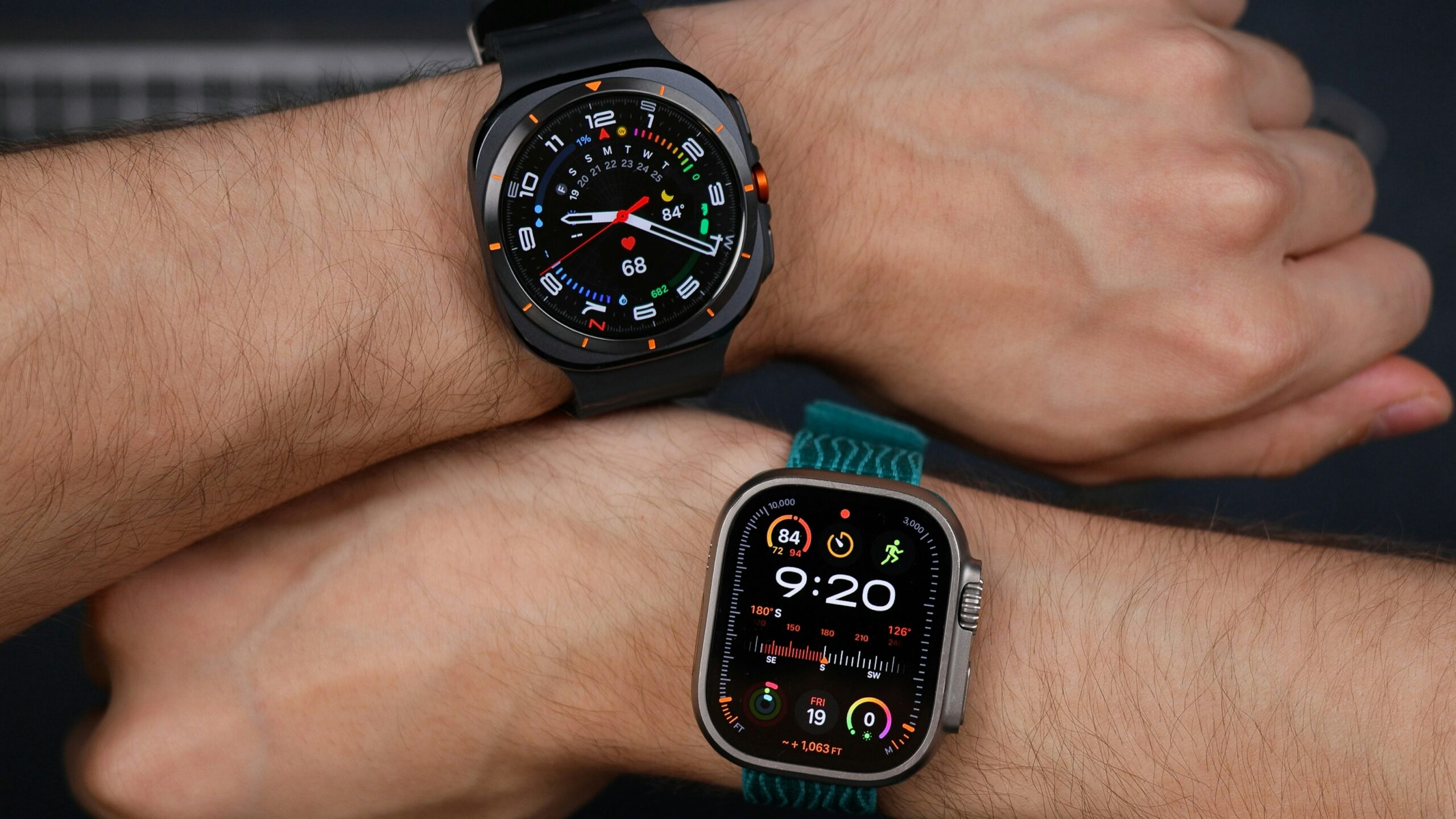
Wearables are smart electronic devices you wear on your body—on your wrist, finger, chest, or even as a patch. They continuously collect and analyze health data. Think of fitness trackers, smartwatches, or more specialized tools like CGMs and ECG monitors. These gadgets can track everything from your steps and heart rate to sleep quality, blood oxygen, skin temperature, stress, and even menstrual cycles. Most sync with your phone, giving you personalized feedback and visual trends.
Some of the most popular devices right now include the Apple Watch, Oura Ring, WHOOP band, Garmin watches, and newer AI-driven trackers like the Ultrahuman Ring and Fitbit Sense.
Some Potential Benefits
- Empowerment Through Data: Wearables help you see how your daily choices impact your health, offering instant feedback on things like diet, activity, and sleep. This can motivate real behavior change.
- Personalized Medicine: The detailed data collected can help doctors tailor treatments, monitor chronic conditions, and step in early if something is off.
- Convenience and Engagement: With remote monitoring, you might need fewer clinic visits. Wearables can also turn you from a passive patient into an active participant in your own health.
- Early Warning and Prevention: Devices can flag abnormal readings, prompting you to seek care before a small issue becomes a big problem, and potentially preventing serious health events.
Some Drawbacks and Concerns
- Data Accuracy: No device is perfect. Sensor glitches, user error, or technical hiccups can lead to misleading readings.
- Privacy and Security: Wearables collect sensitive health data, raising real concerns about data breaches or misuse.
- Accessibility: Not everyone can afford these devices or has the digital know-how to use them, which could worsen health inequalities.
- Over-reliance on Technology: There is a risk of users becoming dependent on devices, neglecting traditional healthcare, or becoming anxious due to information overload.
- Interoperability and Usability: Many devices are not designed to work seamlessly together or integrate with healthcare systems, limiting their utility in providing a holistic view of health.
The Neuroscience of Data-Driven Health
As humans, we make decisions based on feedback: such as pain, pleasure, habit or any reinforcement. When we get immediate information about our health (such as how poorly we slept, for example), our brains often respond by nudging behavior (i.e. getting to bed earlier, eating less sugar, or finally hydrating like our life depends on it).
This is called a closed-loop feedback system, and it can be powerfully effective, especially for forming habits. Wearables essentially turn your body into a biofeedback machine.
Studies show that immediate feedback— like seeing a dip in sleep score—can reinforce behaviors that align with goals. For example, people using CGMs often adjust meals in real time for better glycemic control, a pattern shown in several studies. Sleep & activity tracking interventions using wearables showed improved weight and activity levels in randomized studies.
But there’s a catch.
The Hidden Cognitive Cost of Constant Tracking
Here’s where things get tricky. I have written before about cognitive overload. As wearable devices and health-tracking apps become ever more integrated into our daily routines, it’s easy to overlook a significant downside: the mental burden that comes with constantly monitoring our bodies. While these tools promise greater self-awareness and healthier habits, they can also introduce a subtle but real cognitive load. This “cognitive cost” refers to the mental effort required to interpret, respond to, and sometimes worry about the endless stream of health data we receive.
Let’s explore some of the key challenges:
- Decision Fatigue & Anxiety
When you’re constantly bombarded with metrics—steps, heart rate, sleep—you might start overthinking every choice. Should you skip your workout if your readiness score is low? Is a high heart rate just caffeine or something more? Too much data can paralyze rather than empower.
- Obsessive Tracking
For some, tracking becomes an obsession. The focus shifts from listening to your body’s natural signals to chasing perfect numbers. This can increase anxiety and create unhealthy patterns.
- Over-reliance on Technology
Relying too heavily on devices to interpret how you feel can erode your own intuition. Over time, you may find it harder to self-regulate or trust your instincts without consulting an app or wearable first.
- Privacy & Security Concerns
Health data is deeply personal, yet it’s often stored in the cloud or on devices that aren’t immune to breaches. Protecting your information is a constant challenge.
- Accuracy Limitations
Finally, no device is perfect. Even the best wearables miscount steps or misread heart rates. Relying too much on imperfect data can lead to confusion or misplaced trust.
A Neuroscientist’s Simple Decision-Making Framework: M.I.N.D.
So how do you pick the right wearable for you or decide if you want one at all? Let me introduce a simple decision-making model I call M.I.N.D.:
M — Motivation
Ask yourself: What’s driving me to consider a wearable?
- Are you looking to improve your sleep?
- Training for a race or event?
- Managing a chronic health condition, like diabetes or atrial fibrillation?
- Hoping for a boost in motivation?
If your answer is vague, like “to be healthier,” take time to clarify your specific goals before making a purchase.
I — Information Sensitivity
Ask yourself: How do I react to feedback and data?
- Do numbers and metrics inspire you—or cause unnecessary stress?
- Would a low sleep score ruin your day?
- Do you tend to overthink data?
Not everyone thrives on constant feedback.
N — Needs vs. Nice-to-Haves
Ask yourself: Which features do I truly need?
- Athletes might need advanced metrics like HRV, VO₂ max, or training readiness.
- Those with sleep concerns may want detailed sleep tracking.
- For general wellness, basic features like step count and heart rate may suffice.
Don’t fall for the “feature fallacy”—just because a device tracks 30 things doesn’t mean you need them all.
D — Data Ownership & Privacy
Ask yourself: What happens to my data?
- Who owns the information your wearable collects?
- Can you delete your data if you want to?
- Is your data shared with third parties?
Even with stricter regulations on the horizon, always review privacy policies and data-sharing practices before committing.
Use Your M.I.N.D.—Choose (or Skip) Wearables Intentionally
- Motivation: Know your “why.”
- Information Sensitivity: Understand how data affects you.
- Needs vs. Nice-to-Haves: Focus on features that matter.
- Data Ownership & Privacy: Protect your information and know your rights.
By following the M.I.N.D. model, you’ll make a thoughtful, informed decision—whether you decide to invest in a wearable or realize you’re better off without one.
Tech Should Serve You—Not Replace You
Wearables offer real promise: more control, earlier detection, and better habits. But technology isn’t magic. Your health is complex, and your data should help—not overwhelm—you. Secretary Kennedy’s initiative could be transformative, but only if people are equipped not just with wearables—but with decision-making tools to use them wisely.
Share your story: Did a sleep-tracking app change your habits? Are you considering CGMs? Drop a comment below—I’d be happy to walk through your decision process with you.
Photo by Daniel Romero on Unsplash